
For the latest updates about Coronavirus in Florida, new Coronavirus cases in Florida, and Coronavirus map, visit Florida Department of Health COVID-19 Response
What is Coronavirus COVID-19?
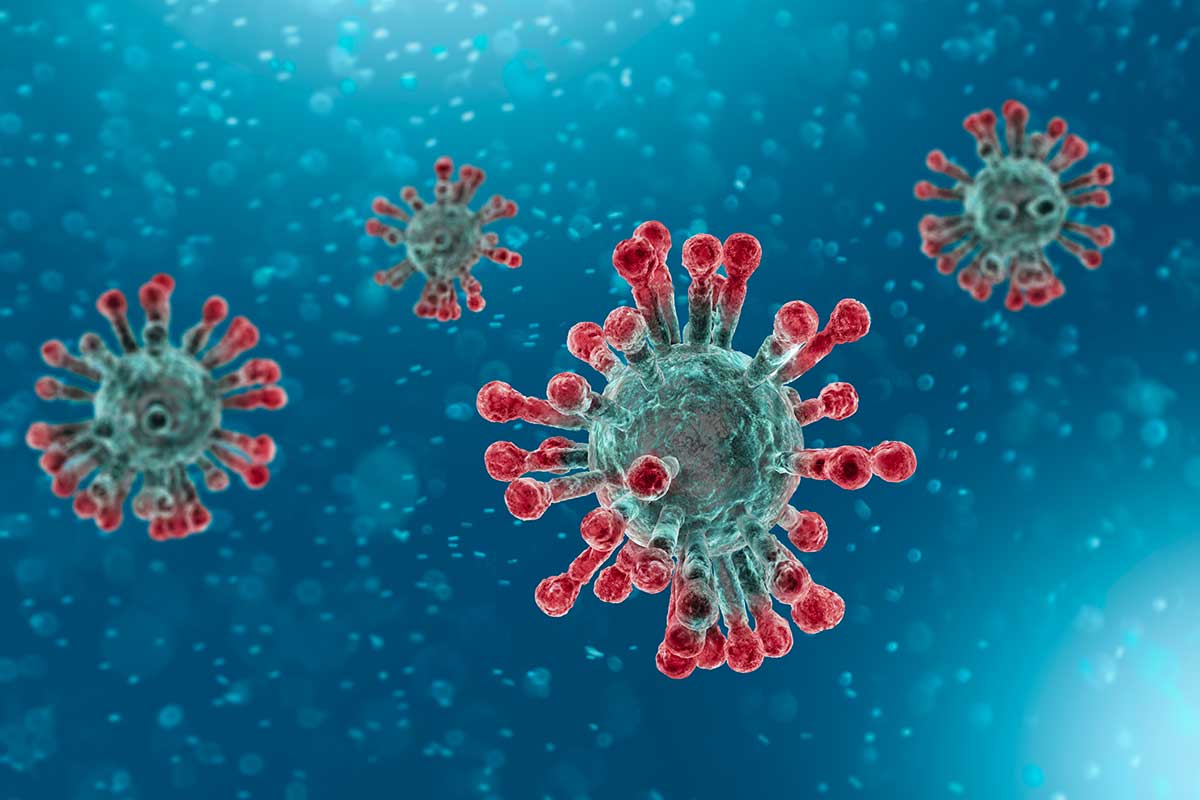
Coronaviruses are large family of viruses that mostly found in animals. However, they can infect humans and can be spread from person to person mainly through close contact. In humans they can cause various diseases like common cold, mild respiratory infections, to more severe diseases such as pneumonia, Middle East Respiratory Syndrome and Severe Acute Respiratory Syndrome.
In 2019, a novel coronavirus also known as the Severe Acute Respiratory Syndrome Coronavirus 2 that causes the Coronavirus Disease 2019 (COVID-19) emerged in the Chinese city of Wuhan. Cases have been detected in most countries worldwide, and on March 11, 2020, the World Health Organization characterized the COVID-19 outbreak as a pandemic.
How does Coronavirus Spread?
Coronavirus (SARS-CoV-2) that causes COVID-19 is spread in several ways, but a close (about 6 feet) person-to-person contact is the primary method. The virus is mainly transmitted via respiratory droplets that we naturally and unconsciously produce when talk, sneeze, cough and breathe. The droplets can land in the mouths or noses of people who are nearby or possibly be inhaled into the lungs.
In addition to human-to-human spread, touching various objects, materials or surfaces that have the virus on them and then touching your eyes, mouth and nose can cause a person to become infected with the COVID-19.
There have also been reports of animals being infected with the COVID-19 virus after close contact with infected people.
Signs and Symptoms of Coronavirus
Signs and symptoms of coronavirus disease 2019 (COVID-19) may appear 2 to 14 days after exposure, but, in general, people with COVID-19 would see signs and symptoms in about 5-6 days after they have been infected with the virus. Symptoms are not specific and can range from having no symptoms at all, to developing mild respiratory symptoms, to getting pneumonia or other life-threatening conditions that can lead to death.
The most common signs and symptoms of Coronavirus can include:
- Fever (pyrexia) – reading higher than 100.4°F / 38°C (87.9% of cases)
- Dry cough (67.7%)
- Fatigue (38.1%)
- Sputum production or wet cough (33.4%)
- Shortness of breath or difficulty breathing (dyspnea) (18.6%)
- Sore throat (13.9%)
- Headache (13.6%)
- Body or muscle aches (Myalgia or arthralgia 14.8%)
- Chills or feeling cold (11.4%)
- Nausea or vomiting (5.0%)
Other Coronavirus symptoms that have been reported:
- New loss of taste or smell
- Nasal congestion or runny nose
- Diarrhea
- Coughing up blood (hemoptysis)
- Excessive watery eye discharge and eye redness (conjunctival congestion)
Who is at the Highest Risk for Severe Disease and Death?
- People aged over 60 years
- Anyone with underlying conditions of
- Hypertension
- Diabetes
- Cardiovascular disease
- Chronic respiratory disease (ex: asthma, chronic bronchitis)
- Cancer