Key Takeaways
- Acne Development: Acne arises from a combination of factors including increased sebum production, dead skin cell accumulation, bacterial growth, hormonal changes, genetics, and external influences, making it important to address multiple causes for effective treatment.
- Varied Treatment Options: There are various acne treatment options available, such as benzoyl peroxide, salicylic acid, topical antibiotics, retinoids, oral antibiotics, hormonal agents, and isotretinoin, each tailored to target specific aspects of acne development.
- Skin Care Tips: Proper skin care practices, like using gentle cleansers, refraining from picking or squeezing pimples, and using non-comedogenic products, can contribute to faster acne relief. Additionally, patience is key when using medical acne treatments, and consulting a licensed medical professional for personalized treatment is advisable for achieving clear and radiant skin.
What is Acne?
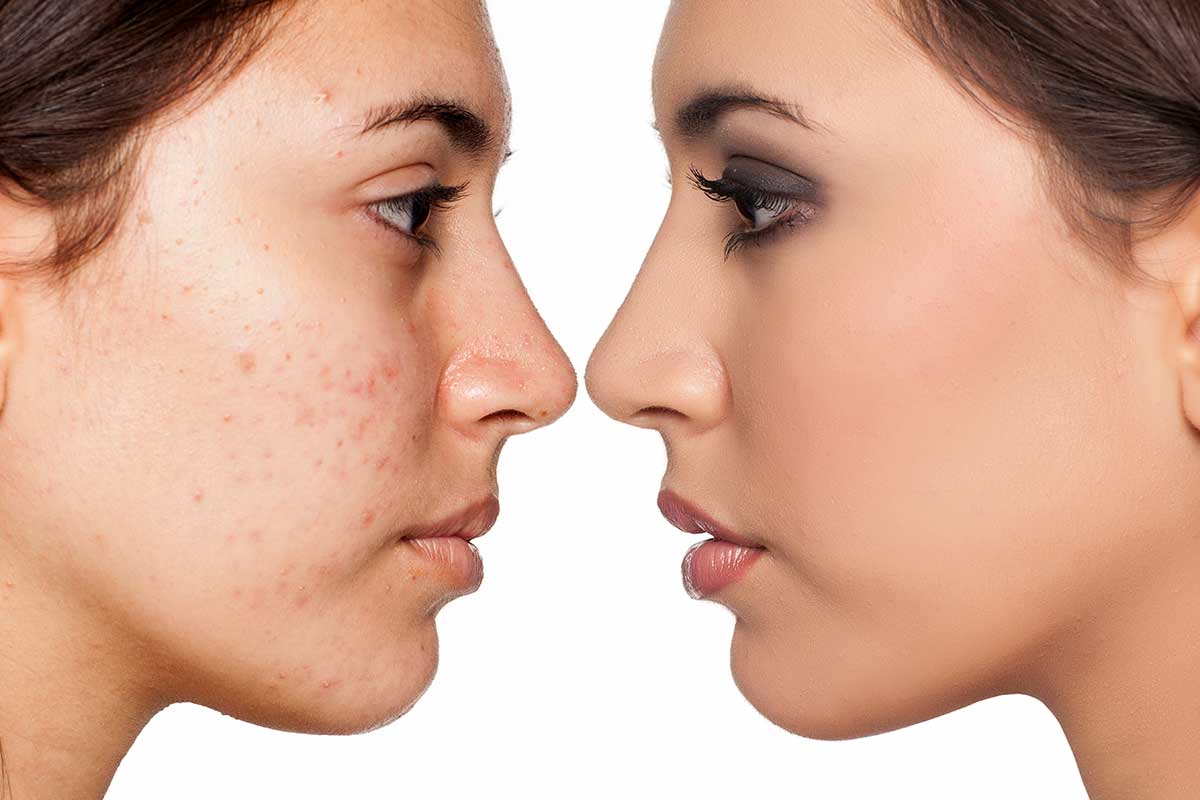
Acne is a skin condition that occurs when the hair follicles become clogged with oil and dead skin cells. Increased sebaceous activity causes follicle plugging and sebum retention, allowing the organism Propionibacterium acnes, or P. Acne, to proliferate. This frequently leads to a wide range of acne lesions, such as comedones (whiteheads and blackheads), papules, pustules, and cysts. Acne most commonly affects adolescents and appears on the face, chest, upper back (also known as backne), and shoulders. Adult acne, on the other hand, is becoming more common, particularly among women over the age of 25.
What causes acne?
- Increased oil is production in follicles
- Dead skin cells accumulation in pores
- Bacteria build up in pores
- Rising androgen levels
- Medications that contain androgen, lithium
- Excessive corticosteroid use
- Some cosmetic products that contain lanolin, petrolatum, butyl stearate, or lauryl alcohol
- Wearing items that place pressure on the affected area of skin – backpack, headband
- Hormonal changes
- Genetic factors
- Diet, which can influence inflammation throughout the body
- Emotional stress
- Menstruation
- Pregnancy
- Polycystic Ovary Syndrome (PCOS)
What are Some of the Treatments for Acne?
Treatment is usually based on the type of lesions (comedones, papules, pustues), severity (mild, moderate or severe), sex, age and presence of scarring. Acne medications work by addressing one or more pathways involved in the development of acne lesions. In short, they may either minimize oil production, or swelling or treat bacterial infection or follicle abnormalities.
Most Common Treatments for Pimples Are:
- Benzoyl Peroxide (BP) is an inexpensive, typically well-tolerated agent that is suitable for the treatment of mild to moderate acne. BP is a popular choice due to its keratolytic (softening and shedding of the outer layer of the skin), comedolytic (preventing and resolving comedone formation), and antibacterial properties. Depending on acne severity, BP can be prescribed with a Retinoid or topical antibiotics.
- Salycilic Acid (SA). Aside from its keratolytic and desmolytic (breaking down cell cohesion that results in exfoliation) effects, SA can reduce sebum secretions and decrease swelling, which in turn prevents future breakouts. SA products are an excellent choice for those who want to speed up the clearing of blackheads.
- Topical Antibiotics. Antibiotics target the bacterial infection that underlies many acne outbreaks and can treat inflamed skin and red papules and pustules. Because antibiotics don’t unclog pores, topical antibiotics are frequently prescribed in combination with other agents like benzoyl beroxide creams or topical retinoids.
- Retionids (Tretinoin/Retin A/Renova/Avita, Adapalene, Differin, Tazarotene Tazorac) are compounds derived from vitamin A. Their main function is cell proliferation or cell growth, stimulation of collagen and new blood vessels, fading of age spots and giving skin a youthful glow. They reduce acne by preventing dead cells from clogging pores. They may also reduce the appearance of acne scars. In addition, retinoids are also approved by the FDA for the treatment of wrinkles. It’s important to know that those products should be applied properly to prevent potential side effects of dry or peeling skin and sunlight sensitivity – so sunscreen use is always a must.
- Oral Antibiotics. They are particularly useful when large areas of the body are involved with acne, acne is moderate to severe or when patients cannot tolerate or dislike topical therapy. Usually the first choice for treating acne is a tetracycline (minocycline, doxycycline) or a macrolide (erythromycin, azithromycin). Oral antibiotics should be used for the shortest time possible to prevent antibiotic resistance. And they should be combined with other drugs, such as benzoyl peroxide, to reduce the risk of developing antibiotic resistance.
- Hormonal agents such as oral contraceptives or spironolactone (Aldacton) may treat women with moderate to severe acne. Hormonal agents are often used for acne that begins or worsens in adulthood.
Birth control pills (Ortho, tri-Cyclen 21, Yaz) may significantly improve acne in women, however it is also important to know that oral antibiotics may decrease the effectiveness of birth control pills. As a precautionary measure use a second form of birth control. - Isotretinoin. In cases of severe nodular or scarring acne, isotretinoin (an oral retinoid) may be used. It may also be used for moderate acne, which is unresponsive to other treatments, rapidly relapsing, or associated with high psychological distress. Isotretinoin works by shrinking oil glands and decreasing oil production. After five to six months, most patients are clear and the majority remain clear for years
Patients using Isotretinoin must understand the potential side effects of this drug. Monitoring with frequent follow up visits will be necessary. Pregnancy must be prevented while taking the medication, since the drug can cause birth defects.
10 Tips for Treating Pimples and Getting Clear Skin Faster:
- Use mild, syndet, soap-free and fragrance-free cleanser and wash gently in the morning and at night. Avoid alcohol-based cleansers and astringents.
The skin has an acidic pH of 5.3 to 5.9, and washing the skin with true soap can increase the pH by 1.5 to 2.0 units for up to 8 hours. Increased pH (alkaline pH) can facilitate microbial growth, increase in P. Acnes and development of acne lesions. Alkaline skin pH can also contribute to visible changes of skin dryness and low-grade inflammation that can lead to redness - Avoid squeezing and picking your pimples. When you squeeze or pick at pimples, you can actually push the infection deeper into your skin and make matters worse. It can lead to more inflammation and eventually scarring after the acne lesion has resolved.
- Wash your pillowcases, caps, and other things that touch your acne-prone skin. Dead skin cells and bacteria can build up on these surfaces, which can clog your pores. Washing what touches your acne-prone skin can prevent this.
- Avoid scrubbing your face. If your skin feels greasy, you may be tempted to scrub it clean. Scrubbing can irritate acne-prone skin, which can make acne worse.
- Use non-comedogenic, non-acnegenic, fragrance-free sunscreen. Acne medications can make the skin more sensitive to the sun, so it’s important to protect yourself from both the UVA and UVB rays.
- Choose makeup labeled as non-comedogenic, which means that it will not contribute to the formation of acne. At the end of the day, remove your makeup before you go to sleep. In addition, make sure to wash your makeup brushes on a regular basis to clear them of bacteria and debris that can lead to acne breakouts.
- Try using earphones. Holding your phone against your skin can cause oil to get trapped in the pores, causing pimples. The more you talk on the phone, the more likely you will break out in that area.
- Wipe your cell phone daily with an alcohol-containing wipe to kill any bacteria and reduce oils that may get transferred onto your skin.
- Be patient. Medical acne treatments are very effective, but they generally take around 4-6 weeks to start working. It’s important to wait at least three months before deciding an acne regimen is not working for you.
- Consider an online consultation with a skincare professional for personalized acne treatment.
Get Clear and Glowing Skin
Each individual’s acne is unique, and addressing it requires a tailored approach. Consult a skincare professional to find the right treatment and achieve clear, radiant skin.